
 Free Confidential Consultation. Call Now! 410-299-4959
Can I Sell a House Before Probate Is Finished in Maryland?

The short answer is yes; a house can generally be sold by the Personal Representative before the probate process is complete. There are often practical reasons for doing so. For example, the house may be expensive to maintain, additional mortgage payments and property taxes may accrue, transfer taxes, not to mention insurance costs, exposed liability […]
 Posted by reichertlegal
- Posted in Maryland Personal Representative, Probate Attorney Baltimore Maryland, Probate Attorney Maryland, Probate Baltimore County Maryland, Probate Howard County Maryland, Probate Law Baltimore Maryland, Probate Law Maryland, Probate Lawyer Anne Arundel County, Probate Lawyer Baltimore, Probate Montgomery County Maryland, Uncategorized
 Sep, 10, 2026
 No Comments.
The Most Common Issues We See in DIY Estate Planning Forms
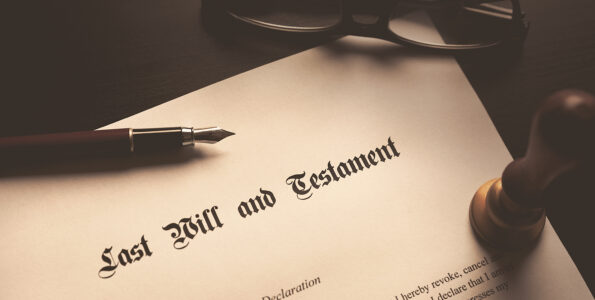
Online estate planning forms are ubiquitous and can appear as a cheaper alternative to working with an attorney. The biggest mistake in depending on these forms is assuming that completing a form is the same as creating an estate plan. If you are considering using online forms for your estate planning, here are some things […]
- Posted by reichertlegal
- Posted in Estate Planning Anne Arundel County Maryland, Estate Planning Attorney Pikesville Maryland, Estate Planning Baltimore County, Estate Planning Baltimore Maryland, Estate Planning Catonsville Maryland, Estate Planning Ellicott City Maryland, Estate Planning Frederick Maryland, Estate Planning Maryland, Estate Planning Montgomery County Maryland, Uncategorized
- Aug, 09, 2026
- No Comments.
Expanded Rules for Non-Resident Decedents In Maryland

Maryland recently enacted changes to the laws governing probate venue, which became effective July 1, 2026. While these changes will not impact every estate in Maryland, they will impact estates where the decedent owned property in Maryland but resided out of state or outside of the United States. Probate venue refers to the county […]
- Posted by reichertlegal
- Posted in Attorney Baltimore County Maryland, Attorney Baltimore Maryland, Estate Administration Attorney Maryland, Estate Administration Baltimore County Maryland, Estate Administration Baltimore Maryland, Probate Attorney Baltimore Maryland, Probate Attorney Maryland, Probate Baltimore County Maryland, Probate Howard County Maryland, Probate Law Baltimore Maryland, Probate Law Maryland, Probate Lawyer Anne Arundel County, Probate Lawyer Baltimore, Probate Montgomery County Maryland, Uncategorized
- Jul, 16, 2026
- No Comments.
How to Pass Your Maryland Rental Property to Your Heirs Without Probate

Many Maryland property owners wrongly assume that their rental property must go through probate when they pass away. The reality is that there are estate planning tools that allow the transfer of ownership outside of probate. On approach is to create a company and retitle the property into the company. This can also provide […]
- Posted by reichertlegal
- Posted in Business Law Maryland LLC, Deed Filing Anne Arundel County Maryland, Deed Filing Baltimore Maryland, Deed Filing Carroll County, Deed Filing Harford County Maryland, Deed Filing Howard County Maryland, Deed Filing Montgomery County Maryland, LLC Attorney Maryland, Probate Attorney Baltimore Maryland, Probate Attorney Maryland, Probate Baltimore County Maryland, Probate Frederick County Maryland, Probate Howard County Maryland, Probate Law Baltimore Maryland, Probate Law Maryland, Probate Lawyer Anne Arundel County, Probate Lawyer Baltimore, Probate Lawyer Maryland, Property Deed Maryland, Property Deed Montgomery County Maryland, Uncategorized
- Jun, 23, 2026
- No Comments.
What Happens to Your Estate Plan When You Move to Maryland From Out-of-State?

If you have recently moved to Maryland from out of state, you may be wondering if the move will affect your estate plan. Generally, Maryland law recognizes estate planning documents that were executed out-of-state. However, differences in state law can affect how those documents function in practice. You should begin by reviewing your last […]
- Posted by reichertlegal
- Posted in Estate Planning Attorney Pikesville Maryland, Estate Planning Baltimore County, Estate Planning Baltimore Maryland, Estate Planning Carroll County Maryland, Estate Planning Ellicott City Maryland, Estate Planning Frederick Maryland, Estate Planning Howard County, Estate Planning Maryland, Estate Planning Montgomery County Maryland, Estate Planning Parkville Maryland, Wills & Trusts Baltimore Maryland, Wills & Trusts Carroll County Maryland, Wills & Trusts Frederick Maryland, Wills & Trusts Howard County Maryland, Wills & Trusts Pikesville Maryland, Wills & Trusts Rockville Maryland, Wills Baltimore Maryland, Wills Columbia Maryland
- Apr, 21, 2026
- No Comments.
Maryland Probate: When a Decedent’s Home is in a Revocable Trust, but the Car is Not

Many Maryland families create revocable living trusts to avoid probate and the estate administration process. If the family home is transferred into a trust by a property deed, the trustee can typically manage or sell the property without court involvement and the oversight of the Register of Wills. Problems can arise when other assets, especially […]
- Posted by reichertlegal
- Posted in Probate Attorney Baltimore Maryland, Probate Attorney Columbia Maryland, Probate Attorney Maryland, Probate Frederick County Maryland, Probate Howard County Maryland, Probate Law Baltimore Maryland, Trusts, Trusts Attorney Baltimore Maryland, Trusts Columbia Maryland, Trusts Montgomery County Maryland, Uncategorized, Wills & Trusts, Wills & Trusts Annapolis Maryland, Wills & Trusts Anne Arundel County Maryland, Wills & Trusts Ellicott City Maryland, Wills & Trusts Lawyer Montgomery Maryland, Wills & Trusts Silver Spring Maryland
- Feb, 05, 2026
- No Comments.
Can a Non-United States Citizen Serve as a Trustee for a Maryland Trust?

The short answer is yes. Maryland law does not require that a trustee to be a U.S. citizen. According to the Maryland Trust Act, there are only four requirements for a person to qualify as a trustee: They must be 18 years of age, willing to accept the appointment, competent to act within the role, […]
- Posted by reichertlegal
- Posted in Trusts Attorney Baltimore Maryland, Trusts Attorney Maryland, Trusts Columbia Maryland, Trusts Montgomery County Maryland, Uncategorized, Wills & Trusts, Wills & Trusts Annapolis Maryland, Wills & Trusts Anne Arundel County Maryland, Wills & Trusts Howard County Maryland, Wills & Trusts Maryland, Wills & Trusts Prince George's County Maryland
- Jan, 15, 2026
- No Comments.
The Risks of Not Properly Reporting Inherited Property in Maryland

If you inherit property in Maryland, it’s important to be aware of any tax responsibilities that may come with the inheritance. Unreported or misreported tax information can result in liability you hadn’t anticipated. In Maryland probate, inherited property receives a new tax basis equal to its fair market value at the date of the […]
- Posted by reichertlegal
- Posted in Estate Administration Maryland, Estate Administration Montgomery County Maryland, Estate Administration Prince George's County, Probate Attorney Baltimore Maryland, Probate Attorney Maryland, Probate Howard County Maryland, Probate Law Baltimore Maryland, Probate Law Baltimore Maryland, Probate Law Maryland, Probate Lawyer Anne Arundel County, Probate Montgomery County Maryland, Probate Prince George's County Maryland, Uncategorized
- Jan, 01, 2026
- No Comments.
Which Assets Should You Leave Out of Your Revocable Trust in Maryland?

A revocable living trust is a powerful way to simplify the probate process for your surviving loved ones. If properly structured, a trust can enable your property to bypass probate in Maryland, which can save time and reduce costs. Most revocable trusts include a variety of assets, including real estate or investment properties, bank […]
- Posted by reichertlegal
- Posted in Estate Planning Annapolis Maryland, Estate Planning Anne Arundel County Maryland, Estate Planning Attorney Pikesville Maryland, Estate Planning Baltimore County, Estate Planning Baltimore Maryland, Estate Planning Columbia Maryland, Estate Planning Ellicott City Maryland, Estate Planning Frederick Maryland, Estate Planning Howard County, Estate Planning Maryland, Estate Planning Montgomery County Maryland, Estate Planning Prince George's County Maryland, Trusts Attorney Baltimore Maryland, Uncategorized, Wills & Trusts Anne Arundel County Maryland, Wills & Trusts Frederick Maryland, Wills & Trusts Howard County Maryland, Wills & Trusts Maryland, Wills & Trusts Prince George's County Maryland
- Oct, 23, 2025
- No Comments.
Things to Consider Before Modifying a Life Estate Deed in Maryland

Life estate deeds are commonly used for estate planning purposes and to avoid probate. If you would like to learn more about life estate deeds, please read our blog post “What Are Life Estate Deeds in Maryland?” If you are considering modifying your life estate deed, there are some things you should keep in […]
- Posted by reichertlegal
- Posted in Deed Filing Charles County, Deed Filing Frederick County Maryland, Deed Filing Montgomery County Maryland, Estate Planning Baltimore County, Estate Planning Baltimore Maryland, Estate Planning Columbia Maryland, Estate Planning Ellicott City Maryland, Estate Planning Montgomery County Maryland, Life Estate Deed With Powers Maryland, Life Estate Deed Without Powers Maryland, Property Deed Anne Arundel Maryland, Property Deed Baltimore Maryland, Uncategorized
- Jul, 10, 2025
- No Comments.
 Join Us On Facebook
 Join Us On Twitter
 Join Us On In.com
 Subscribe to RSS
 Follow Us On Google+
 Subscribe Us On Youtube
 Follow Us On Pinterest
 Follow Us On Instagram
 Follow Us On Tumblr
 Subscribe Us On Flickr